8th Young Indian Scholars’ Conference on Tibetan Studies held at ATWS, Dharamshala
By ATWS Staff Editor-
ATWS Dharamshala, October 10, 2026: The Tibet Policy Institute (TPI) of the Department of Information and International Relations (DIIR), Central Tibetan Administration (CTA), organized its 8th Young Indian Scholars’ Conference on Tibetan Studies at the Administrative Training and Welfare Society (ATWS). ATWS facilitated the event by providing the venue and essential service facilities.
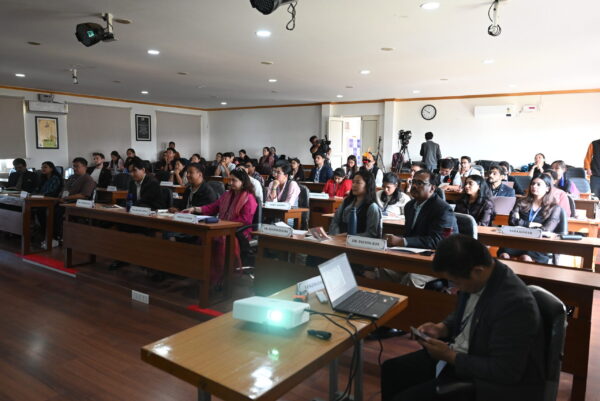
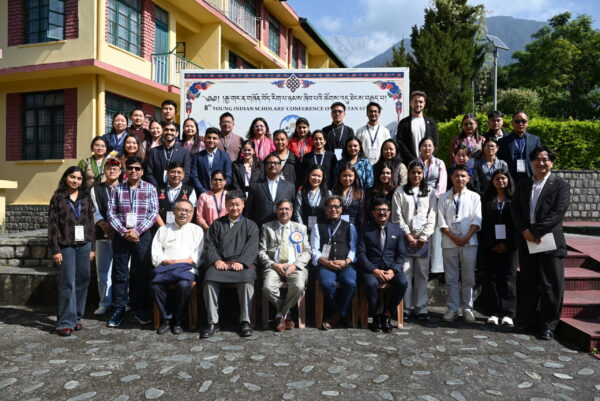
Held over three days, from 8 to 10 October 2026, the conference brought together 24 emerging Indian scholars from more than 20 locations across India to present their original research on Tibet and the wider Himalayan region.
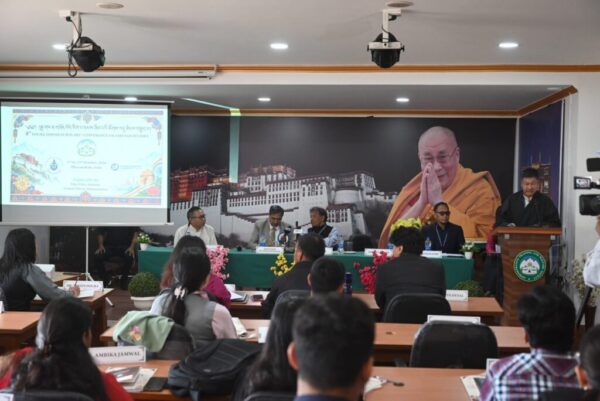
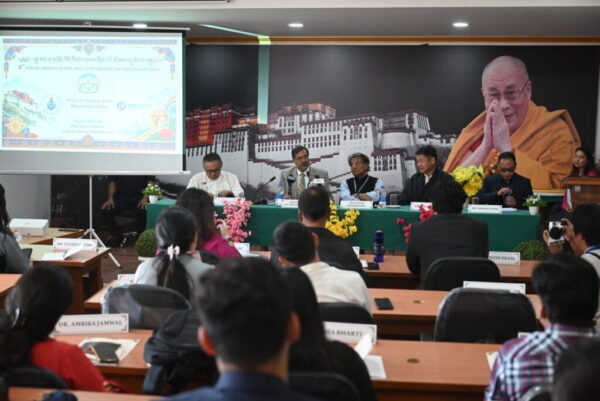
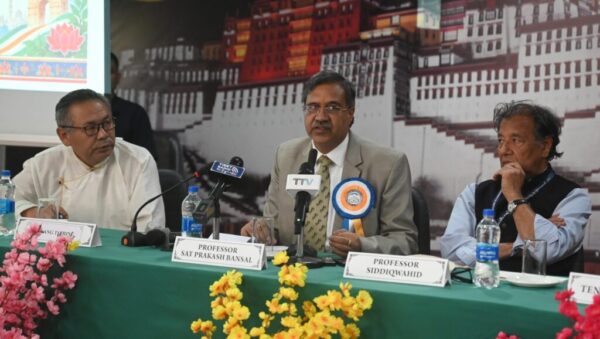
The inaugural session commenced with a welcome address by Mr. Tenzin Lekshay la, Director of the Tibet Policy Institute and Spokesperson of the Central Tibetan Administration. The keynote address was delivered by the Chief Guest, Prof. Sat Prakash Bansal, Hon’ble Vice-Chancellor of the Central University of Himachal Pradesh, Dharamshala.
Other distinguished dignitaries included Mr. Passang Tsering la, Principal of Sarah College of Higher Tibetan Studies (CHTS), and Prof. Siddiq Wahid, former Vice-Chancellor of the Islamic University of Kashmir, who served as the conference mentor to the participating scholars.
Addressing the gathering, Mr. Lekshay la highlighted that the conference, launched by the Central Tibetan Administration in 2019, was primarily intended to promote a deeper understanding of Tibet among the Indian public. Emphasizing the historical and contemporary relationship between India and Tibet, he underscored the importance of strengthening Indian scholarship on Tibet. He encouraged the young scholars to deepen their knowledge and expertise in Tibetan studies, contributing to a better understanding of the shared interests and connections between the two regions.
Delivering the keynote address, Prof. Sat Prakash Bansal recalled the frequent emphasis placed by His Holiness the Dalai Lama on the historical relationship between India and Tibet. He observed that this relationship should not be viewed merely as a matter of the past but should also be understood in the context of contemporary realities.
Prof. Bansal further emphasized that universities should not only preserve knowledge but also critically examine, reinterpret and make it relevant to contemporary society. Describing the participating scholars as the “future custodians of knowledge,” he encouraged them to move beyond conventional disciplinary boundaries and foster stronger connections between academic scholarship and societal well-being.
The inaugural session was moderated by Dr. Tsering Choedon la, Research Fellow at the Tibet Policy Institute, who served as the Master of Ceremonies. The programme concluded with a vote of thanks delivered by Dr. Tsewang Dorji Jeshong la, Conference Coordinator at TPI.
The three-day conference featured seven thematic panels covering a broad range of subjects, including strategy and security, diplomacy, historical and cultural relations, media and representation, identity and exile, Buddhism and technology, and Himalayan cultural heritage. The sessions provided a platform for emerging scholars to exchange ideas, present research findings and engage in interdisciplinary discussions on Tibet and the wider Himalayan region.
The conference concluded on 10 October 2026 with a closing ceremony featuring concluding remarks by the conference mentor, Prof. Siddiq Wahid, followed by the distribution of certificates to the participating scholars. The programme concluded with a vote of thanks by Mr. Tenzin Lekshay, Director of the Tibet Policy Institute.
Read more on the below link